EXPO with a Cause 2026: Students Meet Social Impact at UNWE Sofia
The Context
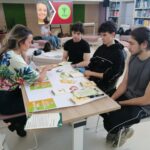
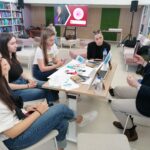
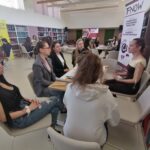
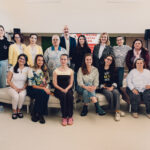
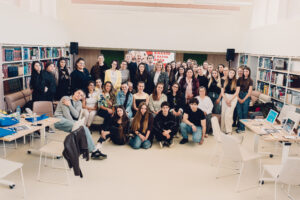
On April 28, 2026, the Department of Public Administration at the University of National and World Economy (UNWE) in Sofia transformed the university library into a space for civic action. “EXPO with a Cause” brought together 30 Public Administration students and six leading civil society organizations to turn academic theory into tangible social support.
Developed as part of the HOME Project, the event served as a high-impact laboratory for modern student engagement.
The Foundation: What is the HOME Research?
For those joining our journey now, this event is the practical application of extensive European research. The HOME A.2.8 Recommendation List is the result of a cross-border study involving 6 countries and over 700 voices (students, staff, and NGOs). The research identified the specific barriers, such as lack of time, fragmented information, and a need for better recognition, that prevent students from engaging in civic life.
The EXPO was designed to dismantle these barriers by creating a “plug-in” format: a short-term, high-intensity engagement that fits into a student’s schedule while providing maximum value.
Addressing the A.2.8 Recommendations
The success of the EXPO was rooted in its alignment with these data-driven insights:
- Solving the Information Gap (Finding: 41.4% lack of access): The event acted as a centralized “Engagement Hub.” By hosting the EXPO in the university library, engagement became visible and accessible, directly solving the problem of fragmented information.
- Practicing Immersive Empathy (A.2.8 Format: “Walk-in-Their-Shoes”): A significant moment was the use of a menstrual pain simulator by the Endometriosis and Reproductive Health Foundation. This allowed all students – including men – to gain a physical understanding of a complex health challenge, turning a biological fact into a shared human experience.
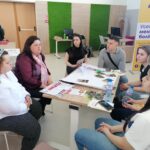
- Incentivizing through Skill-Building: Students served as communication consultants for the NGOs. They analyzed existing communication strategies and provided a fresh, Gen-Z perspective on how to make NGO missions more relatable to younger audiences. This demonstrated that civic engagement is a powerful way to build professional soft skills.
The Collaboration: Real Stories, Real Impact
The day was defined by the diversity of the participating organizations, each offering a unique entry point for student involvement:
- Maria’s World Foundation: Humanized social inclusion through the story of Stilyanka, who shared the daily realities of living with intellectual disabilities.
- Amnesty International Bulgaria: Led discussions on human rights, democratic values, and youth-led advocacy.
- SOS Children’s Villages (Pernik): Shared the challenges of supporting children and families at risk.
- The Future Now Association: Highlighted the importance of non-formal education and youth empowerment.
- The Giraffe Foundation: Focused on building supportive communities through empathy and talent development.
- Endometriosis & Reproductive Health Foundation: Used simulation technology to break taboos and raise awareness.
Why the EXPO Succeeded
The success of the event was a result of a supportive ecosystem where everyone was an active participant. Professors Denitsa Gorchilova and Violeta Toncheva, alongside Monika Simeonova from TimeHeroes, ensured that the students felt empowered to lead. By tasking the students with “refreshing” the communication strategies of the NGOs, the organizations received valuable insights on how to reach a younger demographic, while students saw their ideas immediately valued.
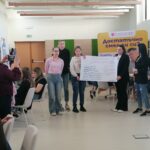
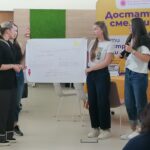
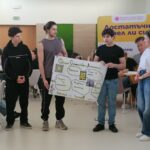
The students gifted their final strategy boards to the NGOs at the end of the day, solving the “Recognition Gap” by giving them a concrete sense of professional achievement.
The Future: Beyond the Event
The EXPO has already catalyzed long-term change by creating the “House of Causes” (Къща на каузите) informal club. This initiative, alongside programs like “Internships with a Cause,” ensures that the university remains a space where social responsibility is woven into the curriculum.
Conclusion for the HOME Project: The EXPO with a Cause 2026 demonstrates that when universities provide a safe, structured, and empathetic space for engagement, students respond with creativity and commitment. By focusing on real-world impact and mutual value, we can ensure that civic engagement becomes a core part of the student identity.